
Search
- Stutz Hubcap, 1926 - Early automobile wheels had a central hub with a greased wheel bearing. Hub caps kept grease in and dust out. Beginning in 1915, the Aluminum Goods Manufacturing Company of Manitowoc, Wisconsin, supplied hubcaps -- including this one -- to many automotive manufacturers. Hubcaps became functionally unnecessary as wheels evolved, but they remained important components of style and marketing.
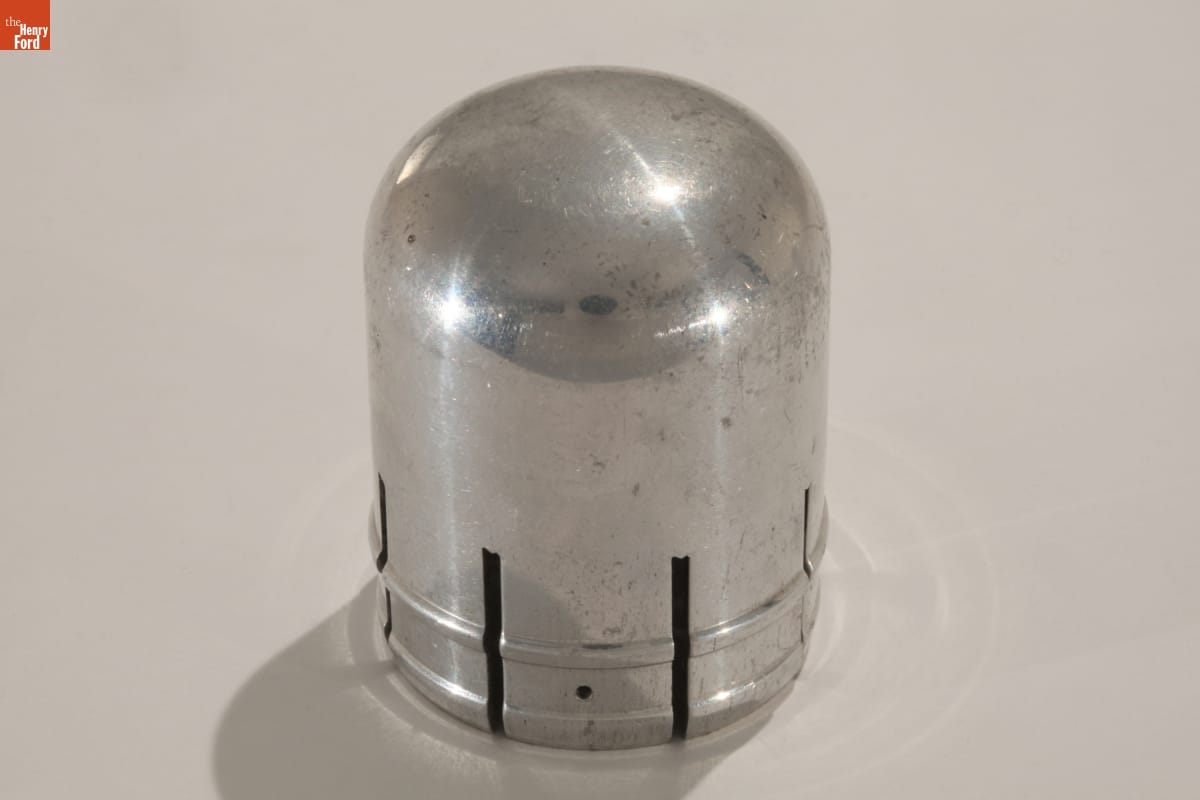
- 1926
- Collections - Artifact
Stutz Hubcap, 1926
Early automobile wheels had a central hub with a greased wheel bearing. Hub caps kept grease in and dust out. Beginning in 1915, the Aluminum Goods Manufacturing Company of Manitowoc, Wisconsin, supplied hubcaps -- including this one -- to many automotive manufacturers. Hubcaps became functionally unnecessary as wheels evolved, but they remained important components of style and marketing.
- Stutz Automobile, circa 1929 - Harry C. Stutz began manufacturing Stutz automobiles in 1911, and a strong showing at that year's Indianapolis 500 inspired the company's slogan: "The Car That Made Good in a Day." The sporty Bearcat further boosted the brand's high-performance image. Stutz cars grew more refined in the late 1920s, but the Depression devastated sales and Stutz auto production ended in 1935.
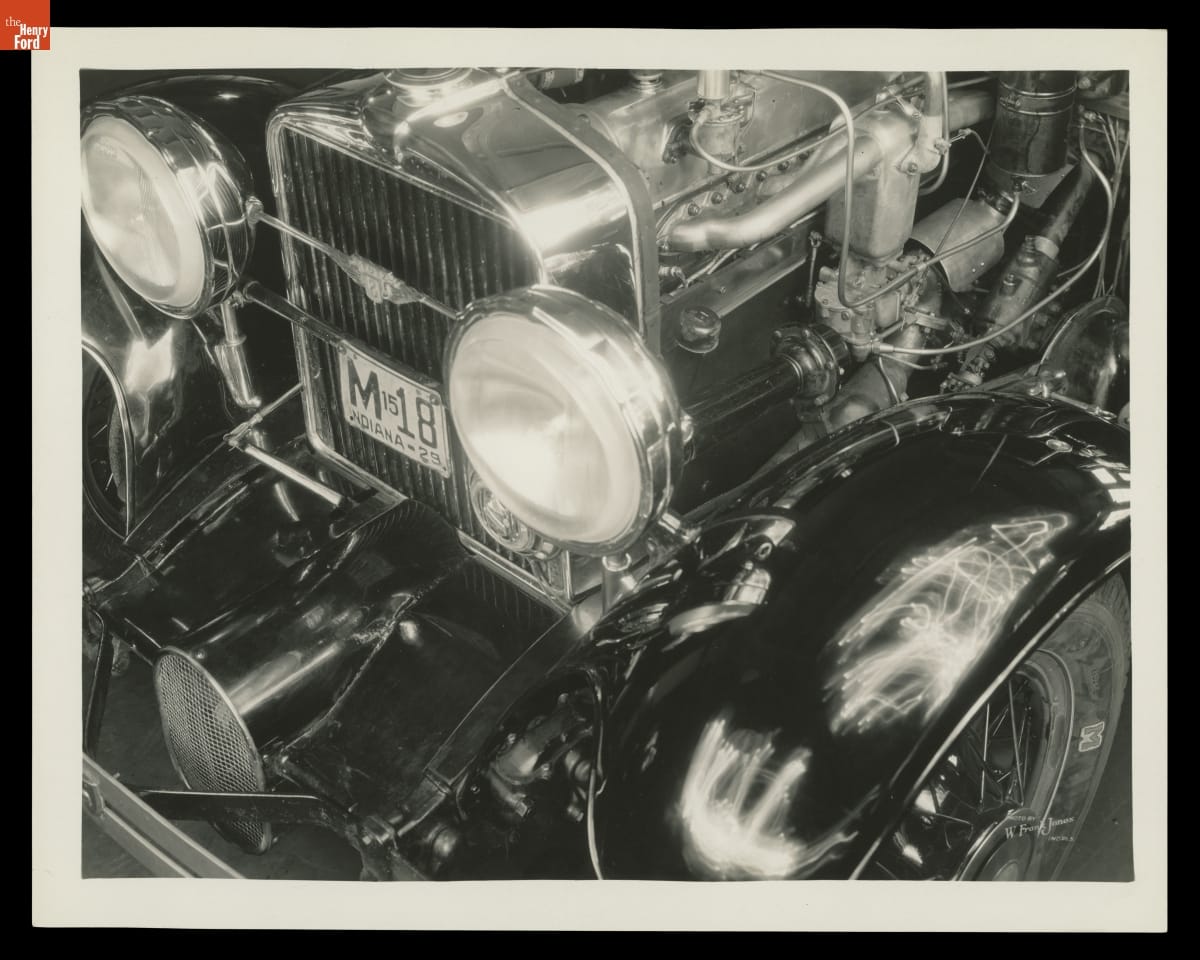
- circa 1929
- Collections - Artifact
Stutz Automobile, circa 1929
Harry C. Stutz began manufacturing Stutz automobiles in 1911, and a strong showing at that year's Indianapolis 500 inspired the company's slogan: "The Car That Made Good in a Day." The sporty Bearcat further boosted the brand's high-performance image. Stutz cars grew more refined in the late 1920s, but the Depression devastated sales and Stutz auto production ended in 1935.
- Stutz Town Car, October 1929 - Harry C. Stutz began manufacturing Stutz automobiles in 1911, and a strong showing at that year's Indianapolis 500 inspired the company's slogan: "The Car That Made Good in a Day." The sporty Bearcat further boosted the brand's high-performance image. Stutz cars grew more refined in the late 1920s, but the Depression devastated sales and Stutz auto production ended in 1935.
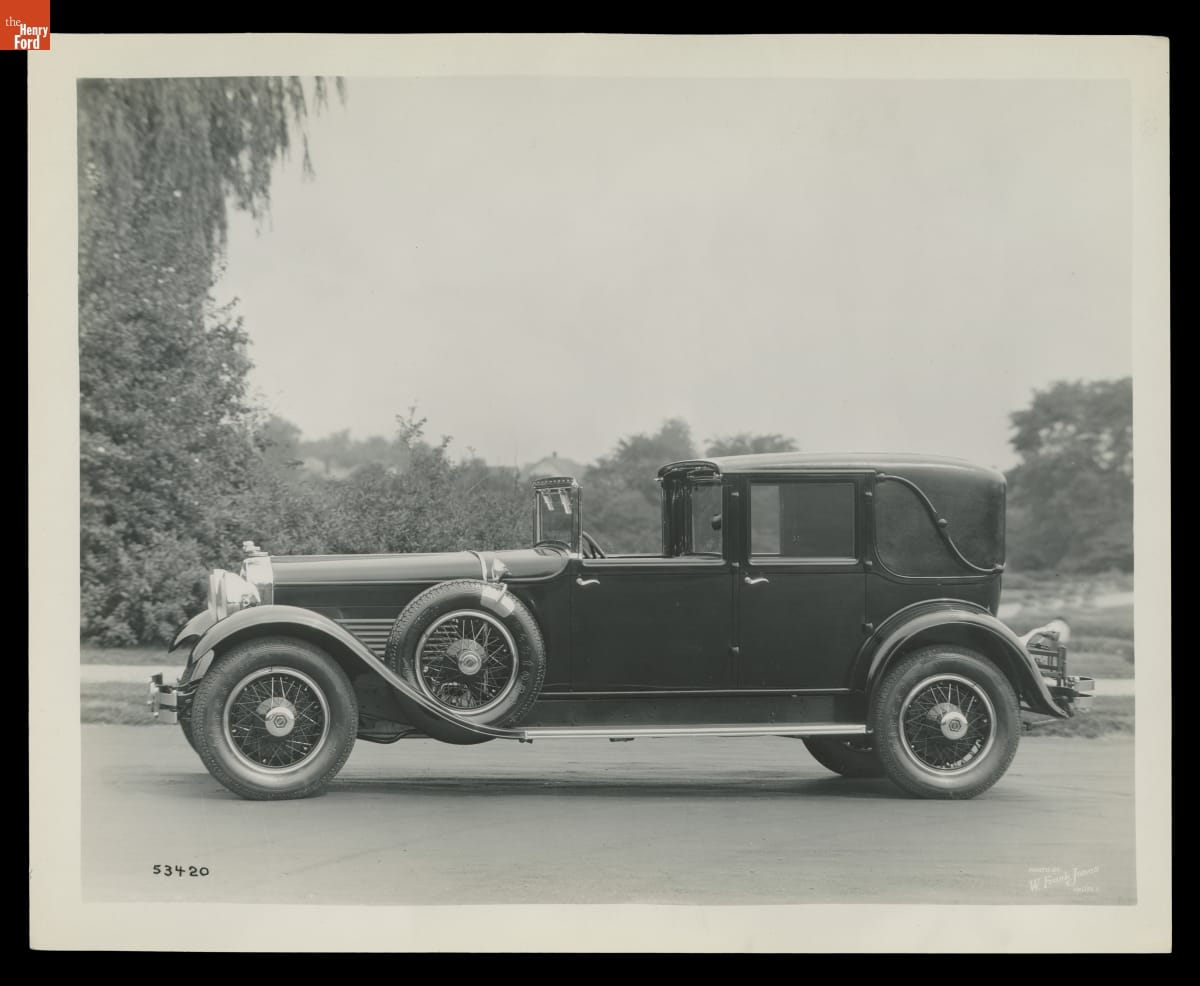
- October 01, 1929
- Collections - Artifact
Stutz Town Car, October 1929
Harry C. Stutz began manufacturing Stutz automobiles in 1911, and a strong showing at that year's Indianapolis 500 inspired the company's slogan: "The Car That Made Good in a Day." The sporty Bearcat further boosted the brand's high-performance image. Stutz cars grew more refined in the late 1920s, but the Depression devastated sales and Stutz auto production ended in 1935.
- Stutz Hubcap, circa 1925 - Early automobile wheels had a central hub with a greased wheel bearing. Hub caps kept grease in and dust out. As wheels evolved and hubcaps became functionally unnecessary, they remained important to both manufacturers -- who branded wheel covers with maker names or logos -- and consumers -- who identified with hubcaps as statements about their cars and themselves.
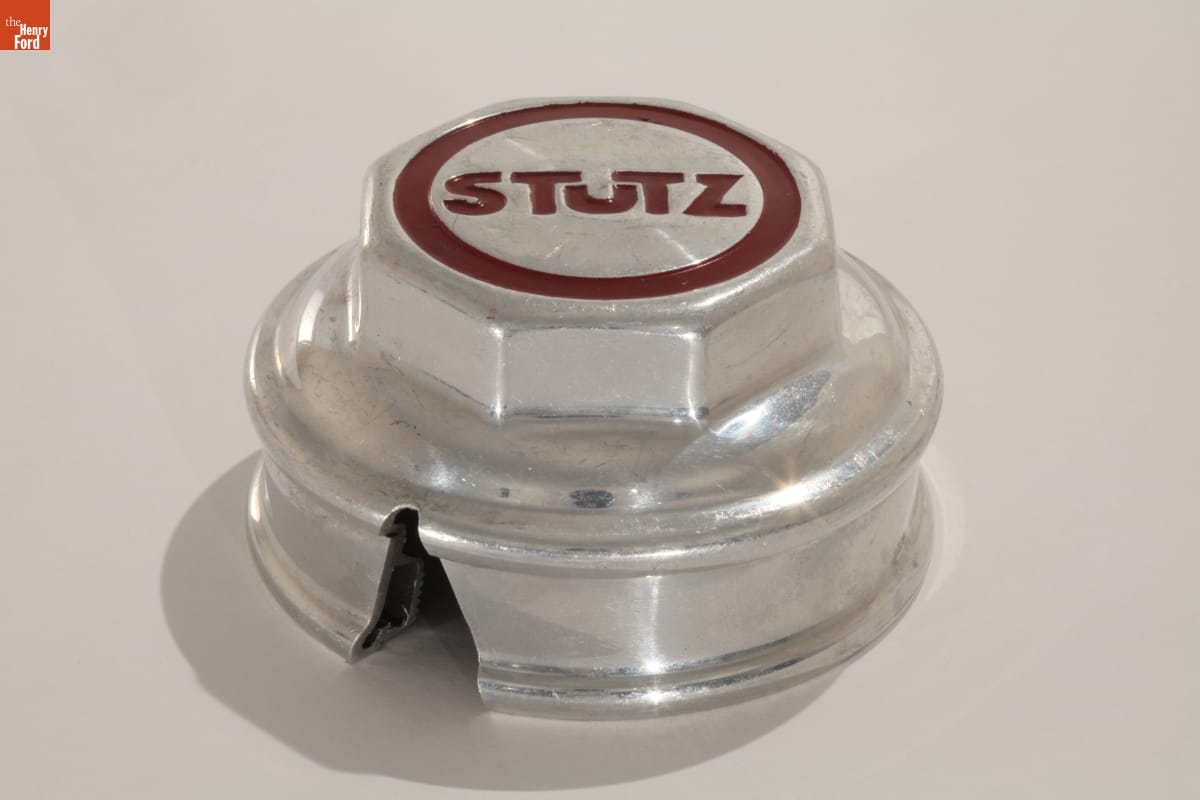
- circa 1925
- Collections - Artifact
Stutz Hubcap, circa 1925
Early automobile wheels had a central hub with a greased wheel bearing. Hub caps kept grease in and dust out. As wheels evolved and hubcaps became functionally unnecessary, they remained important to both manufacturers -- who branded wheel covers with maker names or logos -- and consumers -- who identified with hubcaps as statements about their cars and themselves.
- Stutz Town Car, October 1929 - Harry C. Stutz began manufacturing Stutz automobiles in 1911, and a strong showing at that year's Indianapolis 500 inspired the company's slogan: "The Car That Made Good in a Day." The sporty Bearcat further boosted the brand's high-performance image. Stutz cars grew more refined in the late 1920s, but the Depression devastated sales and Stutz auto production ended in 1935.
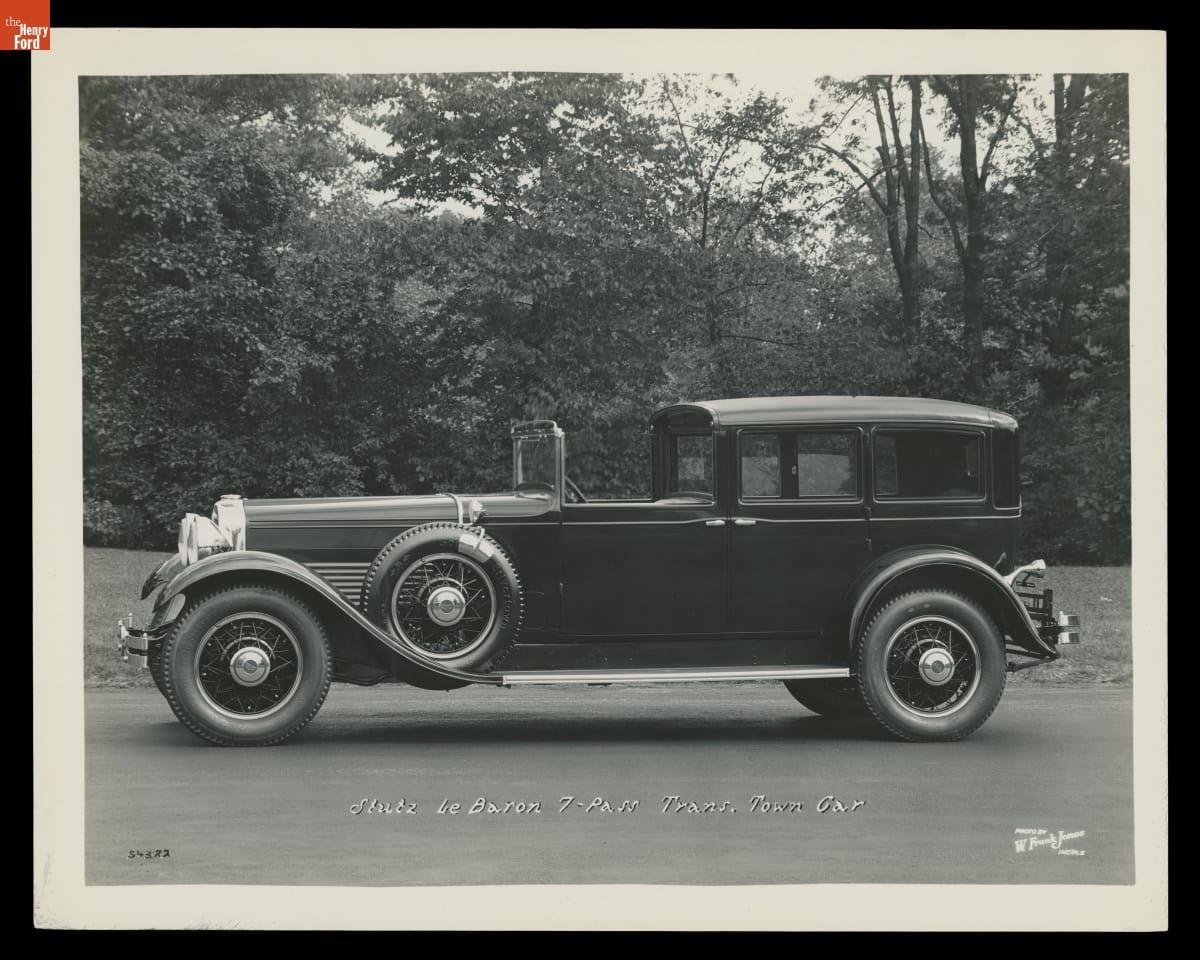
- October 01, 1929
- Collections - Artifact
Stutz Town Car, October 1929
Harry C. Stutz began manufacturing Stutz automobiles in 1911, and a strong showing at that year's Indianapolis 500 inspired the company's slogan: "The Car That Made Good in a Day." The sporty Bearcat further boosted the brand's high-performance image. Stutz cars grew more refined in the late 1920s, but the Depression devastated sales and Stutz auto production ended in 1935.